
Special National Monument of Chem Temple
5.0Free
5.0Free
Introduction
SPECIAL NATIONAL MONUMENT OF CHEM TEMPLE – A HISTORICAL AND CULTURAL IMPRINT BESIDE THE RED RIVER
SPECIAL NATIONAL MONUMENT OF CHEM TEMPLE – A HISTORICAL AND CULTURAL IMPRINT BESIDE THE RED RIVER
Chem Temple is located on the south bank of the Red River in Dong Ngac Ward, Hanoi. It is one of the capital's famous ancient communal houses, closely tied to the history of nation-building and national defense and to the cultural and religious life of the Vietnamese people.
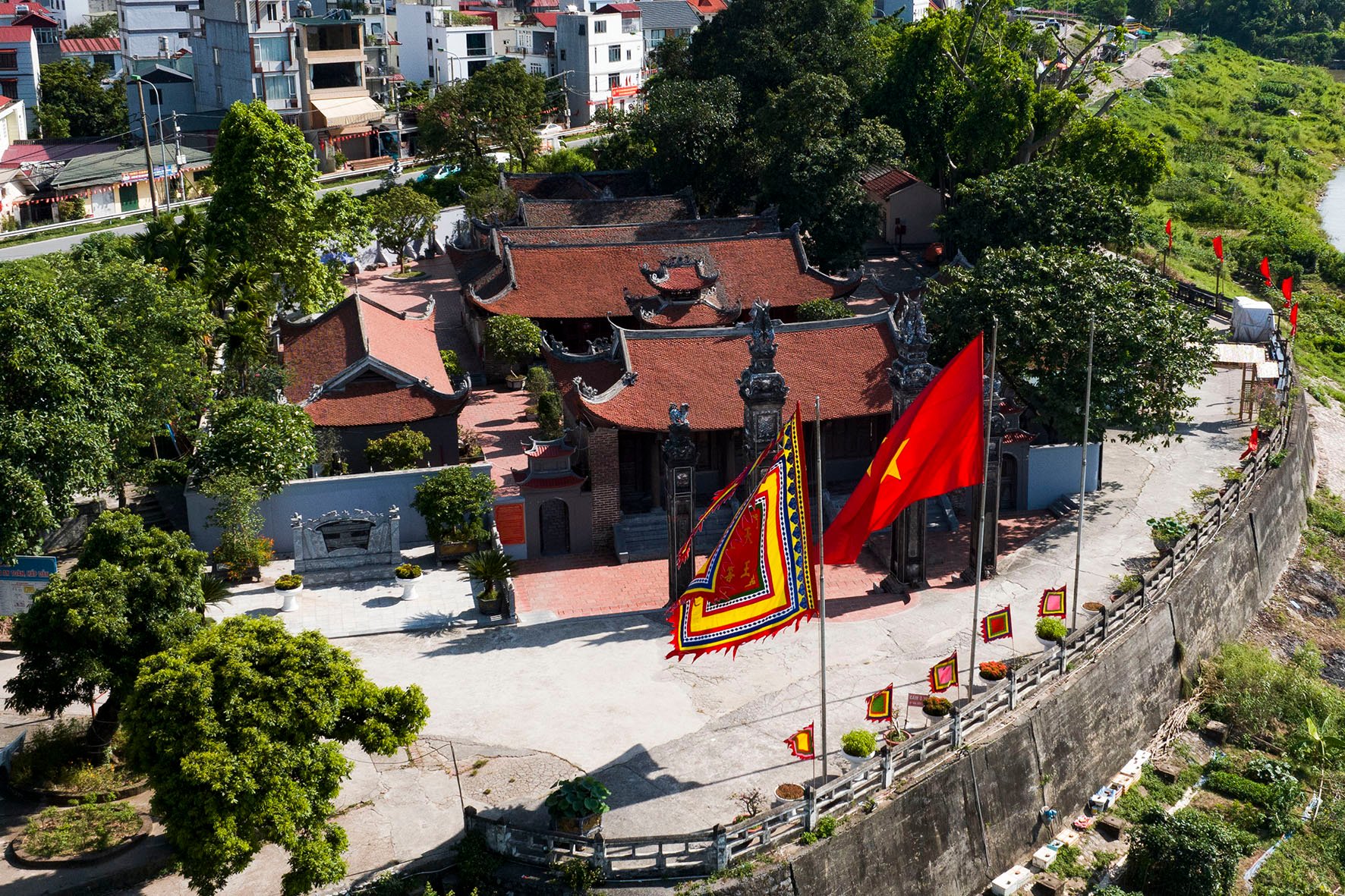
The monument worships Saint Chem – Hy Khang Heavenly King Ly Ong Trong, a figure revered by the people for his merits in the cause of protecting the country according to legend and historical sources.
With outstanding historical, cultural, and architectural-artistic values, Chem Temple was ranked a Special National Monument by the Prime Minister in 2017. It is a source of pride for local people and a meaningful cultural and historical destination of Hanoi.
According to folk legend, Ly Ong Trong's real name was Ly Than. He was from Chem Village and was a man of extraordinary stature and outstanding talent who lived during the period of An Duong Vuong.
He is handed down as a talented general who had merits in protecting the country and is also associated with stories of diplomacy and resistance against foreign invaders. After his death, the people built a temple to worship him and honored him as Saint Chem, who became a patron deity for the local community.
The worship of Saint Chem has been maintained for many generations, expressing the tradition of remembering the source when drinking water and gratitude to those who contributed to the homeland and country.
Chem Temple is a typical traditional religious architectural work, bearing many artistic imprints through historical periods, especially the Later Le Revival and Nguyen periods.
The monument space includes ancient architectural items arranged harmoniously and solemnly, expressing the characteristics of a village communal house in the Northern Delta.
The wooden structures, decorative and carving systems, and the Han-Nom artifacts and documents preserved at the monument help reflect the artistic level, beliefs, and cultural life of generations of residents.
Notably, in 1903, local people raised the temple by manual methods to adapt to dike conditions and prevent flooding. This event demonstrates the community's experience, wisdom, and determination to preserve the heritage.
Located close to the Red River, Chem Temple also has a distinctive landscape, creating a harmonious combination of traditional architecture and riverside cultural space.
The traditional Chem Temple Festival is held annually from the 14th to the 16th day of the fifth lunar month, with the 15th being the main festival day.
The festival is an occasion for local people to remember and express gratitude for the merits of Saint Cheam, while maintaining unique traditional customs and rituals.
A highlight is the water procession on the Red River by dragon boat, which carries deep spiritual meaning tied to the beliefs of agricultural residents in the Red River Delta.
In addition, the festival features rituals such as the literature procession, the bathing ritual, the offering and announcement ceremony, and the bird release ceremony, along with cultural and artistic activities and traditional folk games.
In 2016, the Cheam Communal House Festival was included in the National List of Intangible Cultural Heritage, affirming the heritage’s outstanding value and enduring vitality in community life.
Visiting Cheam Communal House, visitors have the opportunity to learn about the historical, cultural, and architectural artistic values of one of the typical ancient communal houses in Hanoi.
Visitors can tour the traditional architectural space; learn stories about Saint Ly Ong Trong; and admire artifacts, decorative motifs, and the landscape of the relic site by the Red River.
Especially, during the festival in the fifth lunar month, visitors can immerse themselves in the community cultural atmosphere, learn about the traditional water procession ritual, and enjoy distinctive artistic activities and folk games.
The relic site has applied digital technology in introducing and promoting the heritage through a 360-degree virtual tour system, Vietnamese and English audio guides, and QR codes, helping local people and visitors access information more conveniently.
In recent years, Cheam Communal House has always received attention for protection, repair, restoration, and promotion of its values in connection with the cultural life of local people.
Management of the relic site, preservation of traditional rituals, organization of the festival, and application of digital technology have been emphasized to preserve original values while creating conditions for the public to access and learn about the heritage.
The Cheam Communal House Special National Relic Site is not only a place for community religious activities but also an address for educating generations about historical traditions, patriotism, and national pride.
With distinctive historical, architectural, and cultural values, Cheam Communal House is an attractive destination in the journey to explore the cultural heritage of Thang Long – Hanoi, contributing to promoting the image of Dong Ngac Ward as rich in cultural traditions, friendly, and hospitable.
Address: Cheam Residential Group, Thuy Phuong Road, Dong Ngac Ward, Hanoi City.
Festival time: The 14th–16th days of the fifth lunar month every year.
Ranking: Special National Relic Site (2017).
Intangible cultural heritage associated with the relic site: Cheam Communal House Festival (2016).



